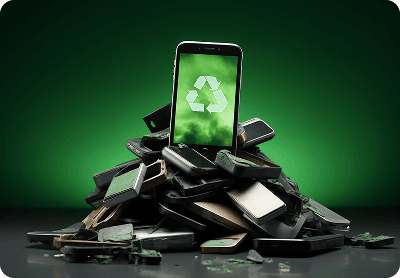
The Importance of Recycling E-Waste in California
California generates more electronic waste than any other state in the country - a direct result of rapid technology turnover, high consumer adoption rates, and the constant refresh cycles of businesses and healthcare organizations. As devices become smaller, smarter, and more battery-embedded, the environmental and compliance risks tied to improper disposal continue to rise. Recycling e-waste is no longer optional; in California, it is a critical responsibility for both residents and organizations.
Protecting California's Environment and Communities
Electronics contain hazardous materials such as lead, mercury, cadmium, brominated flame retardants, and lithium-based batteries. When improperly discarded, these substances can leach into soil and groundwater, threatening public health and fragile ecosystems - especially in coastal regions where contamination spreads quickly.
Recycling ensures these materials are safely removed, neutralized, or processed through certified downstream channels. For a state that leads the nation in environmental policy, responsible e-waste recycling is essential to protecting California's air, water, and communities.
Meeting California's Strict Regulatory Requirements
California enforces some of the strongest e-waste and hazardous-materials regulations in the United States. Laws such as SB 20, SB 1215, and the Electronic Waste Recycling Act require proper handling, documentation, and disposal of covered electronic devices and battery-embedded products.
Businesses face significant penalties for non-compliance, including fines from CalEPA, DTSC, and other regulatory bodies. Partnering with a certified recycler ensures that devices are processed according to state and federal requirements - protecting organizations from liability while supporting California's environmental goals.
Ensuring Data Security for Businesses
Many electronic devices contain sensitive or regulated data, including PHI, PII, and proprietary business information. Simply discarding or donating old equipment exposes organizations to data breaches, compliance violations, and reputational risk.
A certified e-waste recycler provides secure data destruction through NIST 800-88 compliant wiping or physical destruction, ensuring that all data-bearing devices are irreversibly sanitized before entering the recycling stream. For industries such as healthcare, biotech, defense, and finance, this step is non-negotiable.
Recovering Valuable Materials and Reducing Mining Impact
Electronics contain recoverable metals such as gold, silver, copper, palladium, aluminum, and rare earth elements. Recycling captures these materials and reintroduces them into the manufacturing supply chain, reducing the need for new mining - an industry with significant environmental impact.
California's commitment to a circular economy depends on keeping these materials in circulation rather than allowing them to be lost in landfills.
Reducing Landfill Pressure and Supporting Sustainability
Landfills across California are under increasing strain, and electronics take up valuable space while never decomposing. Recycling diverts millions of pounds of material annually, extending landfill lifespan and reducing greenhouse gas emissions associated with waste management.
A Shared Responsibility for a Sustainable Future
Recycling e-waste in California is more than a regulatory requirement - it is a shared commitment to environmental stewardship, data security, and sustainable resource management. By choosing certified, compliant recycling partners, individuals and organizations help protect the state's natural resources and support a cleaner, safer future for all Californians.
Related Services
Explore service pages related to this topic.
Related Industries
See how this applies across the industries we support.