What Really Happens to Your E-Waste? A Behind-the-Scenes Look at the Journey of Your Electronics
What Really Happens to Your E-Waste?
Every year, millions of phones, laptops, TVs, and gadgets reach the end of their life. Most people know they shouldn't throw electronics in the trash—but very few know what actually happens once their e-waste is dropped off at a certified recycler like SES E-Waste Solutions.
If you've ever wondered where your old devices go, how they're processed, or whether they're truly recycled responsibly, this guide walks you through the entire lifecycle of your e-waste from drop-off to final recovery.
1. Your E-Waste Arrives at Our Facility
The journey begins the moment your device reaches our collection point. Whether you're a homeowner cleaning out a drawer or a business upgrading equipment, every item is logged, sorted, and evaluated.
We separate electronics into categories such as:
- Computers and laptops
- Phones and tablets
- TVs and monitors
- Printers and peripherals
- Cables, chargers, and accessories
- Batteries and specialty items
This first step ensures each device is handled according to state and federal regulations.
2. Data Security Comes First
Before anything is dismantled or recycled, data protection is the top priority.
For devices capable of storing information—computers, phones, hard drives—we perform:
- Secure data wiping
- Physical destruction (when required)
- Documentation for businesses needing compliance records
Your personal or business information never leaves our facility intact.
3. Devices Are Evaluated for Reuse
Not all electronics are truly "dead." Many can be refurbished, repaired, or harvested for working components.
If a device can be reused:
- It is tested
- Cleaned
- Repaired if possible
- Given a second life through resale or donation
Reusing electronics is the most environmentally friendly option—it reduces manufacturing demand and keeps devices out of landfills.
4. Non-Reusable Items Are Dismantled
For devices that can't be refurbished, the next step is manual dismantling.
Our technicians break down electronics into their core components:
- Plastics
- Metals
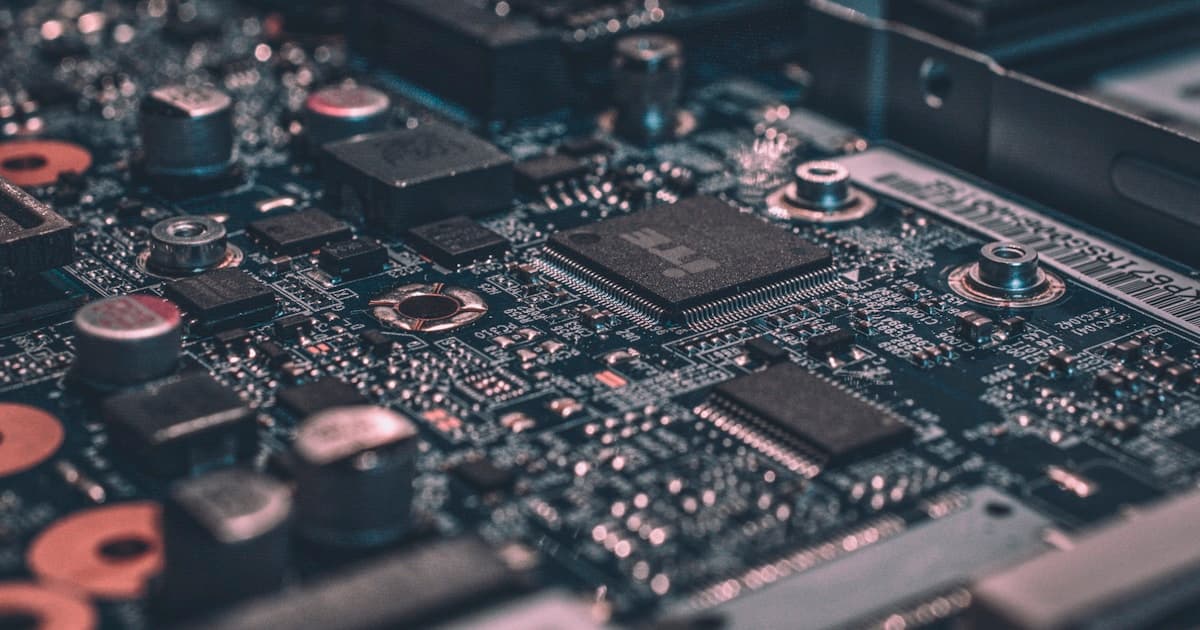
- Circuit boards
- Glass
- Batteries
- Wiring
This process ensures each material stream is separated for proper downstream recycling.
5. Materials Are Sent to Certified Recyclers
Once separated, materials are shipped to specialized processors:
Metals
Copper, aluminum, steel, and precious metals (gold, silver, palladium) are recovered and reused in manufacturing.
Plastics
Sorted plastics are cleaned, shredded, and turned into pellets for new products.
Glass
CRT and flat-panel glass is processed safely to remove hazardous coatings and reused in industrial applications.
Circuit Boards
These are sent to smelters where valuable metals are extracted.
Batteries
Handled under strict safety protocols and sent to facilities that recover lithium, cobalt, nickel, and other materials.
Every downstream partner we use is vetted to ensure compliance with environmental and safety standards.
6. Hazardous Materials Are Neutralized
Electronics often contain substances that must be handled carefully, such as:
- Lead
- Mercury
- Cadmium
- Lithium
- Flame retardants
These materials are never landfilled. They are processed in controlled environments to prevent environmental contamination.
7. Nothing Goes to Waste
The goal of responsible e-waste recycling is maximum recovery, minimum landfill.
Through careful sorting, dismantling, and processing:
- Over 90% of materials can be recycled
- Hazardous components are safely neutralized
- Valuable metals are returned to the manufacturing supply chain
Your old electronics become the raw materials for tomorrow's technology.
Why Responsible E-Waste Recycling Matters
When e-waste is handled improperly, it can:
- Pollute soil and water
- Release toxic chemicals
- Harm workers in unregulated recycling markets
- Waste valuable resources
By choosing a certified recycler like SES E-Waste Solutions, you ensure your electronics are processed safely, ethically, and sustainably.
Related Services
Explore service pages related to this topic.
Related Industries
See how this applies across the industries we support.