Where Your E-Waste Really Goes After Drop-Off: Inside SES Secure E-Waste Solutions' Processing Stream
When electronics reach the end of their life, most people never see what happens next. At SES Secure E-Waste Solutions, that next step is the beginning of a controlled, audit-ready workflow designed to protect data, safeguard the environment, and maximize material recovery. Every device that enters our facility follows a documented, traceable path built on security, compliance, and responsible recycling.
Secure Collection and Controlled Transportation
The journey begins the moment your equipment is handed off. Whether through a scheduled business pickup, a community drop-off, or a partner program, SES ensures electronics are transported using secure, compliant logistics. This reduces the risk of hazardous materials such as lithium, mercury, and lead being mishandled or entering the waste stream. Chain-of-custody documentation begins here, establishing accountability from the first touchpoint.
Intake, Sorting, and Pre-Processing
Upon arrival at our processing facility, equipment enters a structured intake workflow. Devices are sorted by category, including computers, servers, monitors, networking hardware, batteries, and other electronic equipment. That classification determines the appropriate downstream handling, including whether a device is a candidate for refurbishment or requires full dismantling.
During pre-processing, SES technicians remove sensitive or hazardous components such as batteries, toner, and mercury-containing lamps. Early separation prevents cross-contamination and ensures each material stream is handled according to regulatory requirements.
Certified Data Sanitization and Destruction
Data security is a core pillar of SES operations. Before any device is dismantled, all data-bearing components undergo certified sanitization or destruction based on customer requirements. Options include:
- NIST-compliant data wiping
- Physical shredding of drives
- Serialized tracking and reporting
- Onsite or offsite destruction services
This ensures sensitive information never leaves your control and helps your organization remain aligned with privacy, security, and industry requirements.
Manual Dismantling and Component Recovery
Once data-bearing devices and universal waste components are removed, equipment moves to the dismantling stage. SES technicians separate materials into clean, recoverable streams, including:
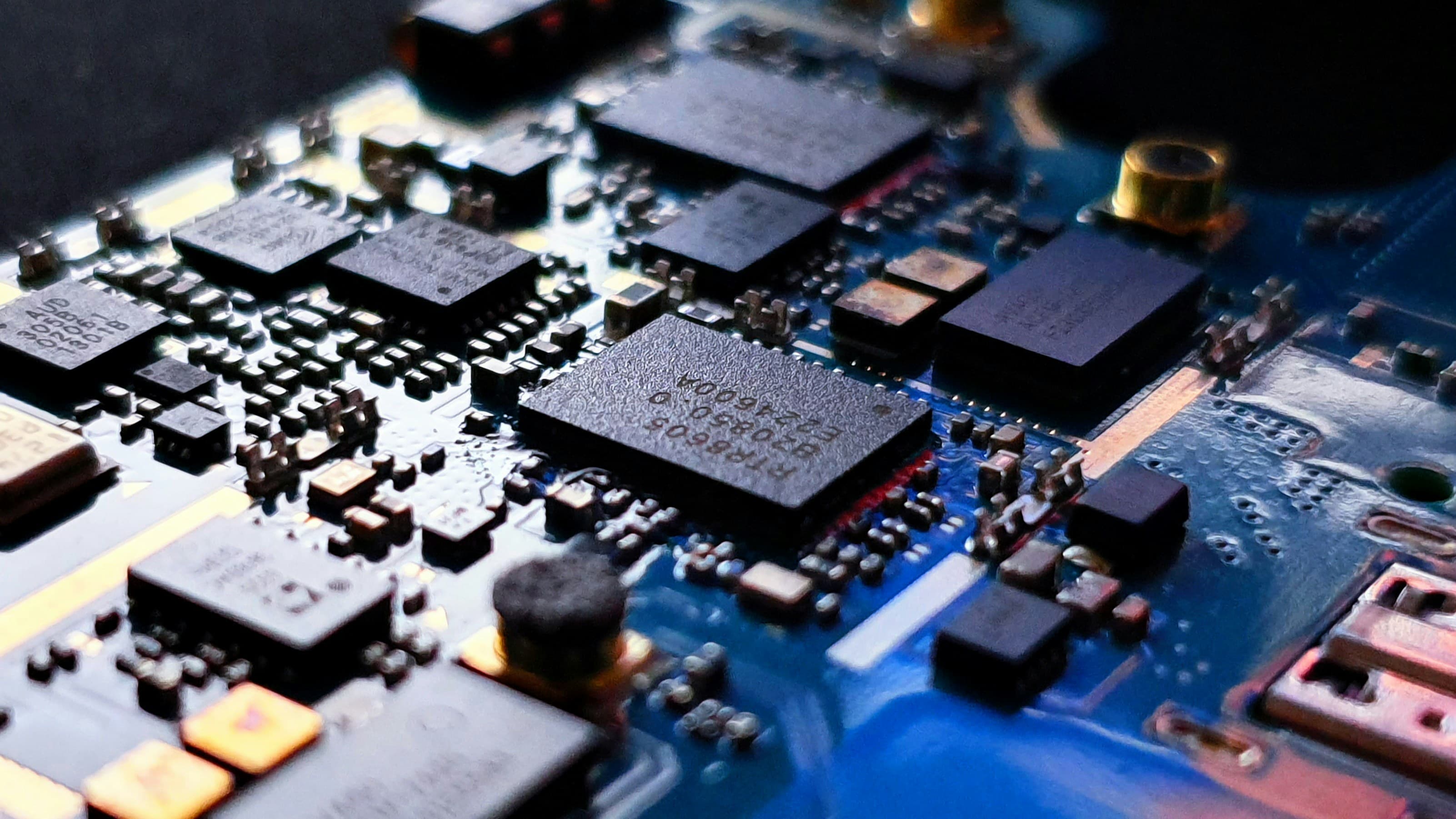
- Circuit boards
- Plastics
- Ferrous and non-ferrous metals
- Wiring and cabling
- Glass and display components
- Power supplies and internal assemblies
This hands-on process increases recovery efficiency and allows reusable components, such as RAM, processors, and certain chips, to be harvested when appropriate.
Shredding and Advanced Mechanical Separation
After dismantling, remaining materials enter industrial shredders that reduce electronics into smaller, sortable pieces. These fragments then pass through multiple separation technologies:
- Magnetic separation for steel
- Eddy current systems for aluminum
- Optical sorting for plastics
- Density-based separation for glass and heavier metals
These systems produce high-purity material streams that can be reintroduced into manufacturing, reducing the need for virgin resource extraction.
Refining and Material Recovery
Recovered materials are sent to certified downstream processors for refining. Metals such as gold, silver, copper, palladium, and rare earth elements are extracted through smelting or chemical recovery. Plastics are cleaned and pelletized for reuse, while glass is processed for new electronics or industrial applications.
Every downstream partner SES works with is vetted for environmental compliance, ensuring responsible handling at every stage.
Waste Isolation and Handling
Certain materials cannot be recycled and require specialized handling. Items such as leaded CRT glass, mercury components, cadmium, and specific battery chemistries are isolated and sent to licensed facilities. This prevents toxic substances from entering soil, groundwater, or the air.
Refurbishment, Reuse, and Circular Economy Support
Not all equipment is destined for shredding. When devices are still functional or economically repairable, SES prioritizes reuse. This may include:
- Refurbishing and reselling equipment
- Donating devices to nonprofits
- Harvesting working components for repairs
Most importantly, data is always sanitized and/or destroyed before any reuse pathway is considered.
Extending the life of electronics reduces overall waste and supports a more sustainable, circular economy.
Final Disposal of Non-Recoverable Residuals
A small percentage of material cannot be recycled. These residuals are stabilized and disposed of in regulated industrial landfills. SES continuously works to minimize this fraction through improved processes, better sorting, and responsible downstream partnerships.
Why Responsible Recycling Matters
Every device processed through SES contributes to:
- Reduced toxic pollution
- Conservation of natural resources
- Lower greenhouse gas emissions
- Verified data security
- A stronger circular economy
E-waste is one of the fastest-growing waste streams in the world. By choosing SES Secure E-Waste Solutions, you ensure your electronics are handled with high standards for security, compliance, and environmental responsibility.
If you need support with electronic recycling, secure data destruction, or a scheduled pickup, contact SES.
Related Services
Explore service pages related to this topic.
Related Industries
See how this applies across the industries we support.